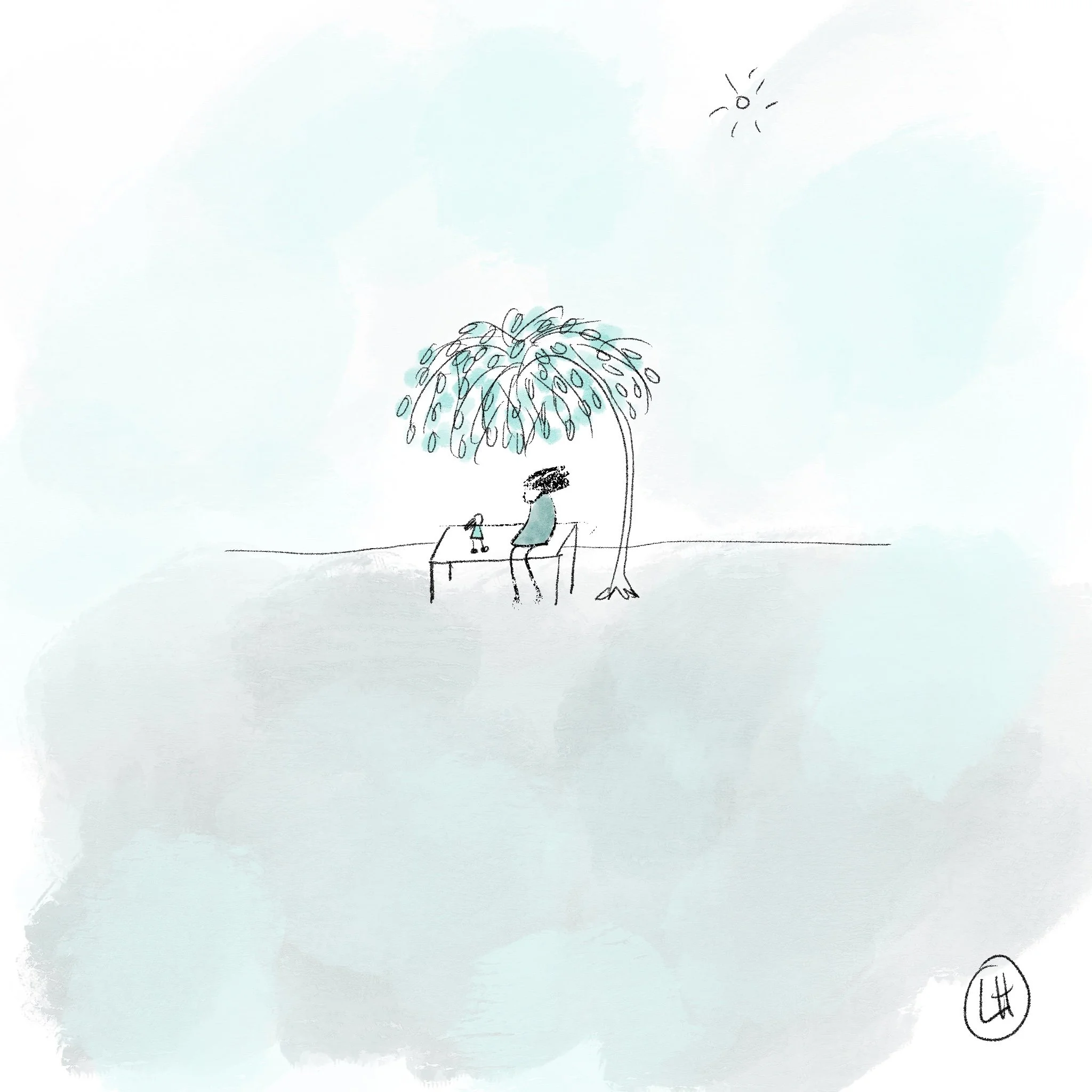
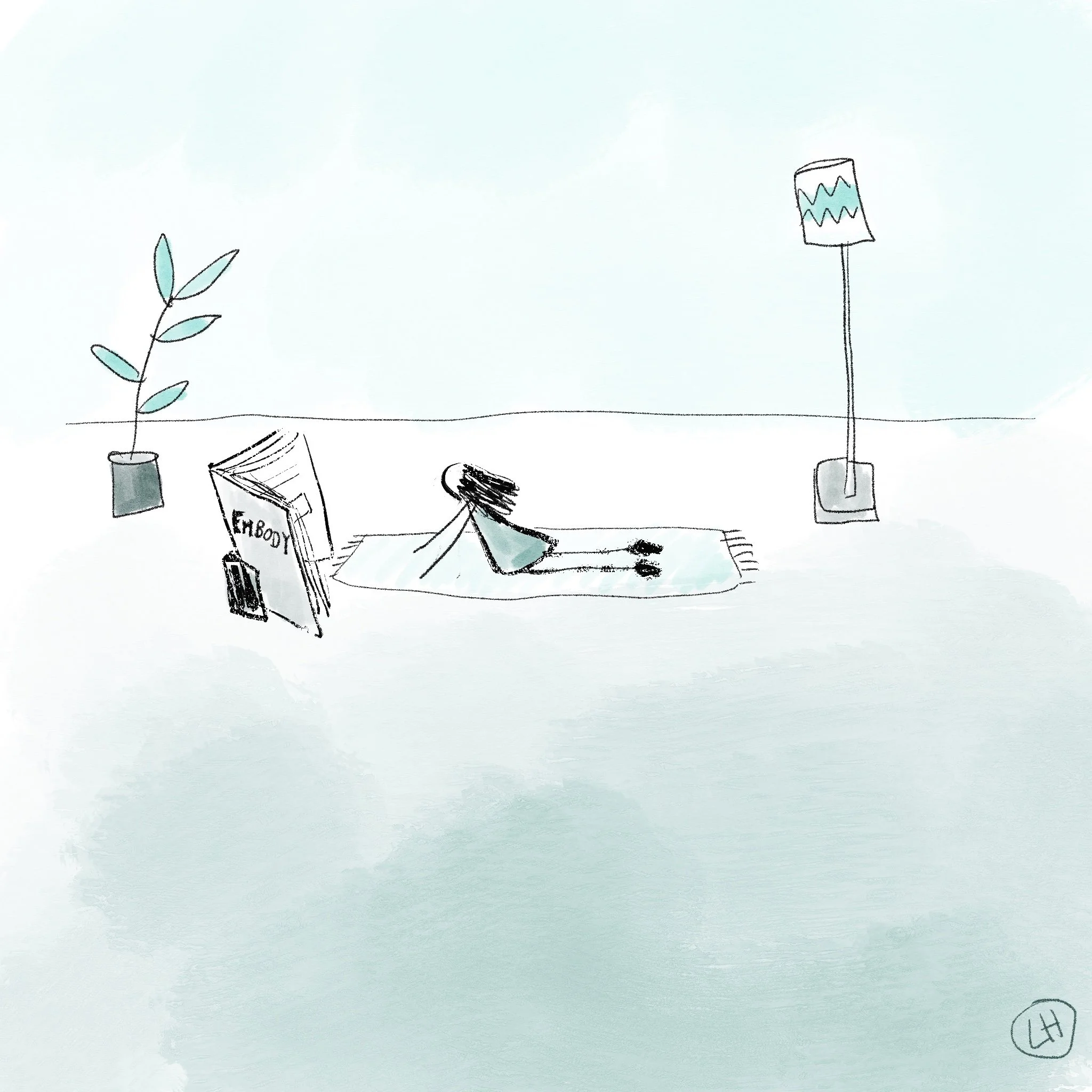
The Stronger Sex.
This Week's Brave New Girls Podcast Guest: Why Do We Define Strength by What Men’s Bodies Do?
If we judged strength by endurance, adaptability, immunity, and the ability to recover and regenerate, women would already hold the title. So why do we still define strength by how high, fast or heavy men can lift, jump, or run? This week’s Brave New Girls podcast guest, Starre Vartan, invites us to rethink everything we believe about physical power, and to embrace a radically inclusive, body-celebrating view of female strength.
Starre is a science journalist, environmental writer, and author of The Stronger Sex, a myth-busting, science-backed love letter to the female body. Her message is clear: women are not “too sensitive,” “too complicated,” or “the weaker sex.” In fact, our biological systems are wired to endure, resist, and regenerate in ways that men’s bodies simply aren’t designed for.
From her research with anthropologists, sports scientists, and physiologists, Starre found that the vast majority of our assumptions about strength are not based in biology, but in cultural storytelling. For instance, before puberty, girls and boys have near-identical physical capacities. Most of the perceived gender differences come from learned behaviours and expectations. By the time we hit adulthood, boys have often had years more experience carrying, lifting, running, and being encouraged to use their muscles, while girls have been taught to be careful, dainty, and slim.
This discrepancy plays out in sports and beyond. But Starre’s work offers hope and change. As she explains in the episode, when female surfers were given strength training identical to their male counterparts, the performance gap virtually disappeared. The key isn’t biology, it’s opportunity.
The female body is uniquely engineered for long-term strength. We’re better at endurance sports, we have stronger immune systems, and we live longer, often surviving chronic illness with more resilience than men. But paradoxically, because we can endure pain, our pain is often dismissed. From colposcopies to childbirth, women’s pain is treated as less urgent, less real.
Starre’s own journey, a childhood spent outdoors, doing manual work, dancing and running barefoot, taught her the power of embodied strength. Now, she brings that lived knowledge into her science writing, challenging the medical system and sports science community to take female physiology seriously. Only 6% of sports studies include female participants. As she rightly points out: how can we know the limits or capabilities of our bodies if we’re not even studied?
So how do we start reclaiming strength on our own terms?

Brave New Girl- How to Be Fearless.
10 Actionable Steps for a better future.
1. Reframe strength- Redefine it as endurance, regeneration, immunity, and adaptability.
2. Lift heavy- in strength training to support bone health and vitality throughout life, especially post-menopause.
3. Track your cycle- Learn how your body’s energy and needs change through the month. Adjust workouts and rest accordingly.
4. Rest intentionally- Recovery is part of strength. Schedule downtime with purpose.
5. Listen to pain- Your body’s messages are valid. Seek second opinions if you feel dismissed.
6. Move joyfully- Dance, swim, trail run- do what you loved as a child. Fun is medicine.
7. Support your immune system- Nourish your body with foods rich in polyphenols, antioxidants, and adaptogens.
8. Challenge myths- Question assumptions you’ve been taught about your body’s limits.
9. Celebrate diversity- Strength comes in all body shapes, ages, and life stages.
10. Pass it on- Model these new definitions of strength to the next generation.
As a woman your body is a force of nature.
PS. Listen HERE to STARRE’S journey on BRAVE NEW GIRLS podcast to hear how she helps us create well beings on a well planet.